Evidence before expansion.
Purify Fuel’s commercial case should be built from work-normalized measurement, transparent assumptions and a controlled treated-versus-baseline comparison.
Published field results
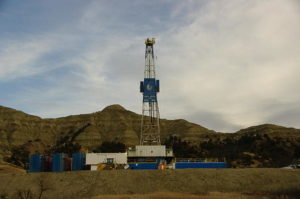 Published field study
nanO2 – Nabors East Texas
A land-rig evaluation reported a 5% increase in fuel efficiency over the baseline during 73 treated days.
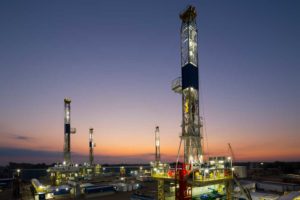 Published multi-rig study
nanO2 – Nabors Colombia
Five rigs and 25 wells produced a reported 5.3% weighted fuel-efficiency improvement.
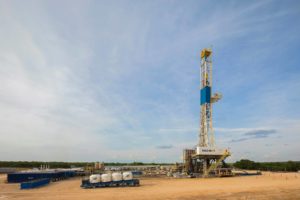 Published dual-fuel study
nanO2 – Nabors South Texas Dual Fuel
A South Texas trial reported a 5.4% increase in fuel efficiency and no known operational issues during the evaluation.
 Legacy field report
Railroad Field Performance
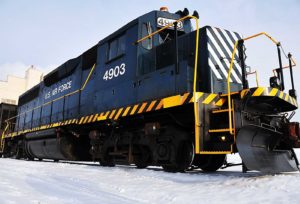
A short-line railroad deployment reported 8.1% fuel savings and visibly cleaner equipment.
Independent test summaryNRE Power Systems Engine Test
Independent 3,000 HP EMD engine testing reported fuel, emissions, opacity and noise improvements.
 Legacy test summary
NOV Emissions Evaluation
Testing at NOV’s Springett Technology Center reported lower NOx and CO after treatment.
Build a decision-grade evaluation.
Map the operation
Confirm engines, fuel flow, storage, annual volume and commercial objective.
Plan deployment
Select packaging, dosing point, treatment ratio and rollout sequence.
Put nanO2 to work
Introduce treatment without replacing engines or changing engine software.
Track operating value
Review fuel use, work output, reliability observations and emissions data where available.
Expand with confidence
Use the operating evidence to support a broader commercial rollout.