
Use less diesel. Prove the result.
nanO2 is a patented combustion catalyst designed to improve how existing diesel assets convert fuel into useful work—without replacing engines or waiting for a future fuel transition.
Improve diesel performance before replacing diesel assets.
Heavy industry cannot replace every vessel, generator, locomotive, rig or machine overnight. Purify Fuel focuses on a practical near-term question: can existing equipment consume less fuel and produce fewer combustion-related emissions while doing the same work?
Explore the technology →Built for large diesel consumers.
The value is strongest where fuel use is measurable, duty cycles are substantial and small percentage gains create meaningful operating impact.



Start with measured results, not a marketing promise.
Each deployment is different. These studies show how nanO2 has been evaluated across real operating environments and controlled comparisons.
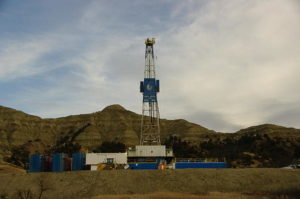 Published field study
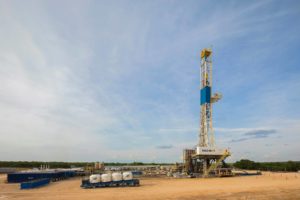
nanO2 – Nabors East Texas
A land-rig evaluation reported a 5% increase in fuel efficiency over the baseline during 73 treated days.
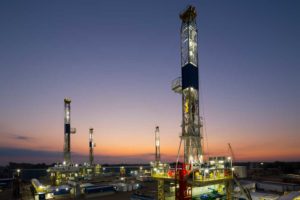 Published multi-rig study
nanO2 – Nabors Colombia
Five rigs and 25 wells produced a reported 5.3% weighted fuel-efficiency improvement.
 Published dual-fuel study
nanO2 – Nabors South Texas Dual Fuel
A South Texas trial reported a 5.4% increase in fuel efficiency and no known operational issues during the evaluation.
 Legacy field report
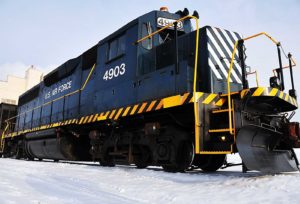
Railroad Field Performance
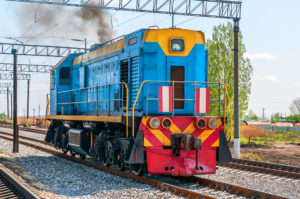
A short-line railroad deployment reported 8.1% fuel savings and visibly cleaner equipment.
 Legacy test summary
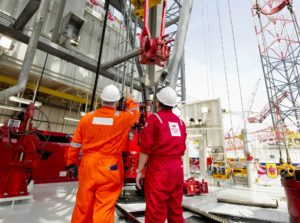
NOV Emissions Evaluation
Testing at NOV’s Springett Technology Center reported lower NOx and CO after treatment.
A disciplined path from baseline to business decision.
Operational assessment
Identify engines, fuel streams, load profiles and decision criteria.
Baseline design
Select measurable KPIs and a representative untreated operating window.
Deployment
Configure manual or automated dosing without modifying the engine.
Controlled comparison
Match load, environment, fuel and operating conditions wherever practical.
Decision report
Quantify fuel, cost and emissions implications with limitations stated clearly.
See what a small efficiency gain can mean at scale.
Enter annual consumption, fuel cost and an illustrative improvement. A real proposal should be built from verified site data and a controlled evaluation.
Illustrative only. CO2 uses 10.18 kg per gallon of diesel. Actual commercial value depends on verified operating results, product cost, deployment method, fuel pricing and duty cycle.
Company and deployment updates.
Bunker One expands fuel combustion catalyst trial
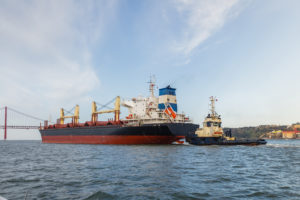
Following an initial marine trial, Bunker One announced an expanded nanO2 fuel-combustion catalyst program.
Read update →Fuel additives help Transocean rigs reduce emissions
Industry coverage described the role of fuel additives in reducing consumption and emissions in offshore drilling operations.
Read update →Scaling up to decarbonize offshore operations
A 2023 update described deployments reaching multiple continents and a growing focus on offshore operations.
Read update →